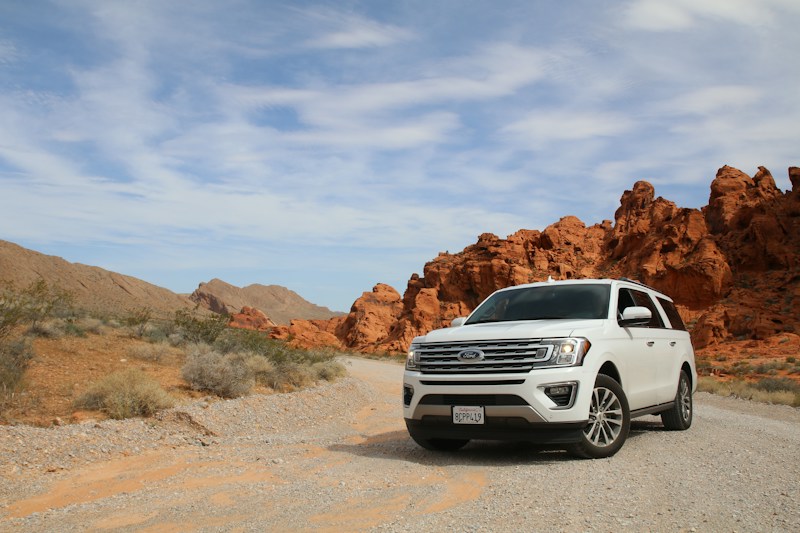
The terms "SUV" and "crossover" are often used interchangeably, but they represent different types of vehicles with distinct characteristics. Understanding these differences can help you make a smarter buying decision.
The Fundamental Difference
The main distinction lies in the vehicle's construction:
- Traditional SUVs: Built on a truck platform with body-on-frame construction
- Crossovers: Built on a car platform with unibody construction
Body-on-Frame vs Unibody
Body-on-Frame (Traditional SUVs)
In this construction, the body sits on top of a separate frame. This design offers:
- Greater towing capacity (often 5,000-8,000+ lbs)
- Better off-road durability
- Easier to repair after accidents
- More rugged feel
Examples: Toyota 4Runner, Ford Bronco, Chevrolet Tahoe, Jeep Wrangler
Unibody Construction (Crossovers)
The body and frame are integrated into a single structure:
- Better fuel efficiency
- Smoother, car-like ride
- Lighter weight
- Lower center of gravity (better handling)
Examples: Honda CR-V, Toyota RAV4, Mazda CX-5, Hyundai Tucson
Which Should You Choose?
Choose a Traditional SUV If You:
- Need to tow boats, trailers, or heavy equipment
- Frequently go off-road on challenging terrain
- Want maximum ground clearance
- Prioritize durability over fuel economy
Choose a Crossover If You:
- Primarily drive on paved roads
- Want better fuel economy
- Prefer a car-like driving experience
- Need family-friendly practicality
The Modern Reality
Today's crossovers are incredibly capable. Many offer available AWD systems that handle snow, rain, and light trails perfectly well. For 90% of buyers, a crossover provides the ideal balance of practicality, comfort, and efficiency.
"Unless you're regularly towing or tackling serious off-road trails, a modern crossover will exceed your expectations."
Popular Models Compared
| Category | SUV Example | Crossover Example |
|---|---|---|
| Compact | Jeep Wrangler | Honda CR-V |
| Midsize | Toyota 4Runner | Hyundai Santa Fe |
| Full-size | Chevrolet Tahoe | Mazda CX-90 |