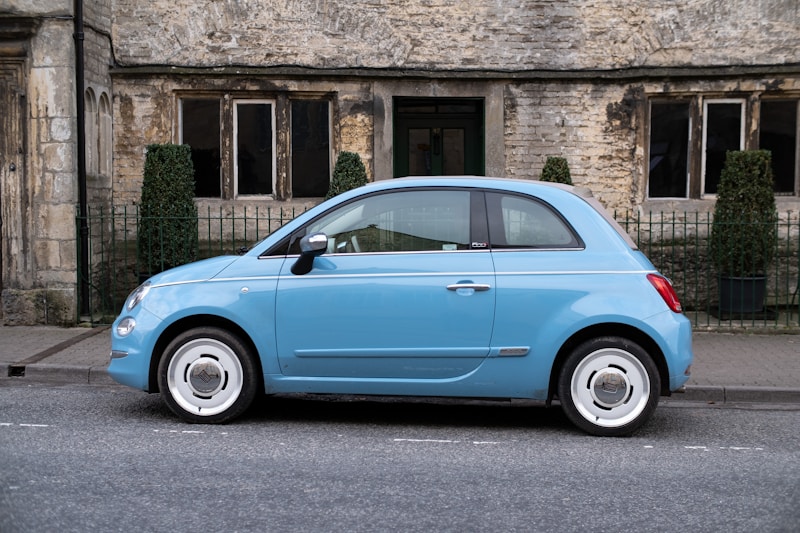
With hundreds of vehicle models available, comparing cars can feel overwhelming. Car comparison tools simplify this process by letting you evaluate multiple vehicles side-by-side.
Why Use a Car Comparison Tool?
- See specs side-by-side instead of switching between tabs
- Quickly identify which vehicle excels in areas you care about
- Avoid overlooking important features or deal-breakers
- Make data-driven decisions rather than emotional ones
Key Specs to Compare
Performance & Efficiency
- Horsepower & Torque: More matters for towing or spirited driving
- Fuel Economy: Consider combined MPG for typical driving
- 0-60 Time: Important for highway merging confidence
Size & Space
- Passenger Volume: Legroom and headroom for all rows
- Cargo Space: Behind rear seats and with seats folded
- Towing Capacity: If you'll tow boats, trailers, or campers
Safety
- IIHS Rating: Look for Top Safety Pick or Top Safety Pick+
- NHTSA Stars: 5 stars is the best rating
- Standard Safety Features: AEB, blind spot monitoring, etc.
Value & Cost
- Starting MSRP: Base price before options
- As-Tested Price: Price with desired features
- Warranty: Longer is generally better
- Predicted Reliability: Lower long-term costs
How to Use Our Comparison Tool
- Select up to 4 vehicles you're considering
- Review the side-by-side spec comparison
- Use filters to focus on categories that matter to you
- Save or share your comparison for later reference
Common Comparison Mistakes
- Comparing different trim levels: Make sure you're comparing equivalent trims
- Ignoring total cost of ownership: Insurance, fuel, maintenance all matter
- Focusing only on specs: Test drives reveal things numbers can't
After the Comparison
Once you've narrowed your choices to 2-3 vehicles, schedule test drives. Nothing replaces the experience of actually driving the cars you're considering.